
Blog
Commercial Roof Leak: Causes, Emergency Steps, Repair Costs & When to Replace

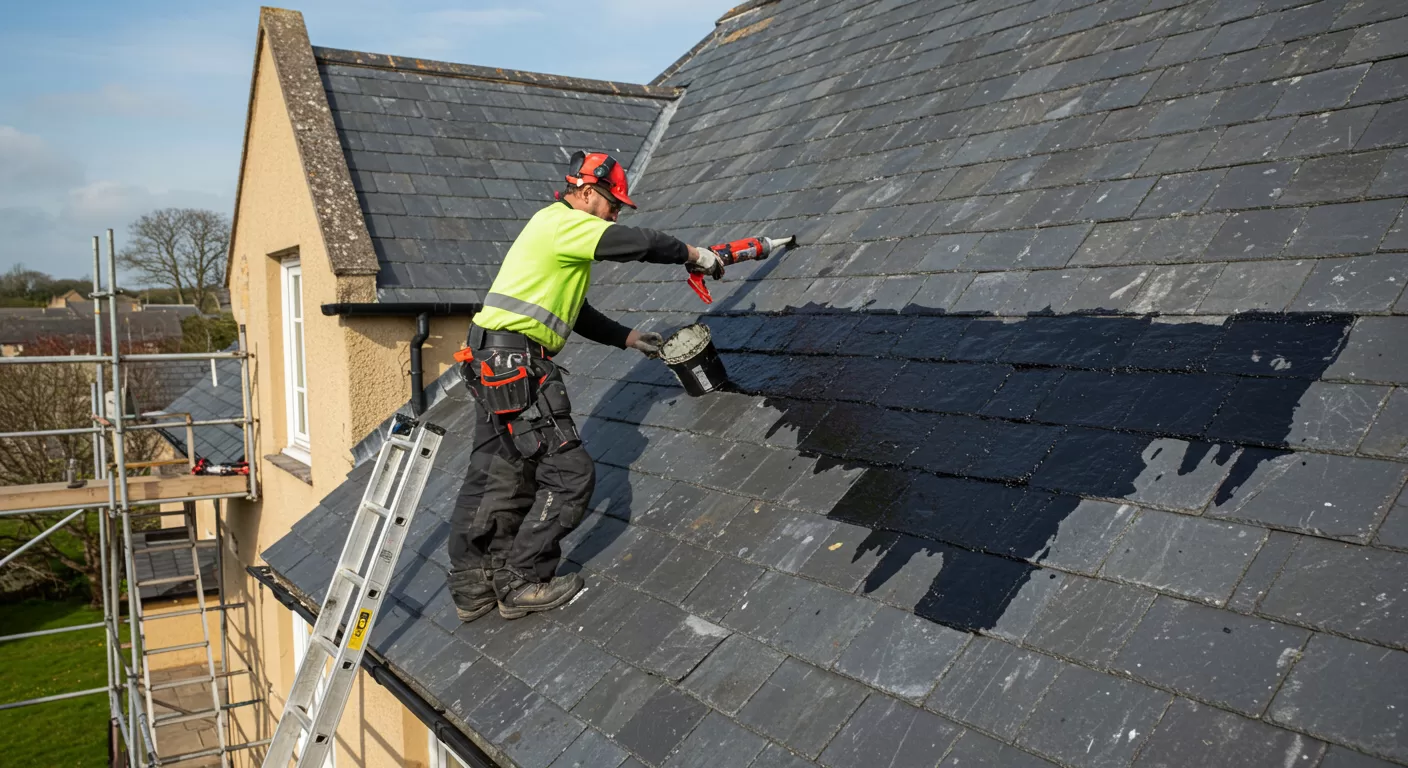
A commercial roof leak rarely stays small. What starts as a stained ceiling tile can turn into soaked insulation, damaged inventory, mold, and a disrupted business within weeks. Whether you manage a warehouse, church, retail center or light industrial building, knowing what to do and who to call can save you thousands of dollars.
Doug Patterson Builders is a family-owned, second-generation contractor serving North Georgia, Cleveland and Chattanooga, TN. This guide covers why commercial roofs leak, what to do the day it happens, how repairs are done, what they cost, and how to know when repair is no longer the right answer.
Why Is My Commercial Roof Leaking?
Most commercial roof leaks do not start in the middle of the roof. They start where the roof is interrupted or stressed. These are the most common causes:
- Failed or open seams. On single-ply systems like TPO, the seams between membrane sheets can open as the roof expands and contracts through hot summers and cold snaps.
- Punctures and impact damage. Foot traffic from HVAC technicians, dropped tools or screws, hail and fallen branches puncture the membrane, especially around rooftop units.
- Damaged flashing. Flashing seals the edges where the roof meets walls, curbs, parapets and equipment. It takes more movement than the field of the roof, so it fails first.
- Pipe boots and penetrations. Vents, conduits and pipes all need a watertight collar. Those collars crack with age and sun exposure.
- Clogged or failing drains. Blocked drains and scuppers cause ponding water. Loose clamping rings around drain bowls let water in at the lowest point of the roof.
- Ponding water. Water that sits on a flat roof for more than about 48 hours after rain adds weight, accelerates wear and finds every weak spot.
- Age and weathering. Every roof has a lifespan. As membranes become brittle, chalky or cracked, leaks multiply and repairs hold for shorter periods.
- Poor installation or past repairs. Incomplete welds, wrong materials and patchwork repairs by unqualified crews are a frequent source of repeat leaks.
If you have a TPO roof, our detailed guide on TPO roof leak causes and fixes goes deeper on membrane-specific problems.
Why the Leak Is Rarely Where You See the Stain
One of the most frustrating parts of a commercial roof leak is that the drip inside the building is usually not under the hole. Water enters the roof, then travels along the deck and through the insulation until it finds a joint, fastener or seam to drip through. That can be 20 feet or more from the actual entry point.
This is why guessing and patching near the stain often fails. Proper commercial roof leak detection starts on the roof, not at the ceiling.
What to Do the Day a Commercial Roof Leak Starts
If you have an active leak, take these steps in order:
- Protect people and property. Move inventory, electronics and equipment out of the drip zone. Place buckets or tarps and rope off wet floors to prevent slips.
- Check the drains (only if it is safe). Clear leaves and debris from drains and scuppers. A clogged drain is the cheapest leak to fix.
- Document everything. Take dated photos of the ceiling, wet areas and any visible roof damage. Insurance carriers will ask for them.
- Call a commercial roofing contractor. Tell them where the drip is, when it happens (every rain, only in wind, only after storms) and any recent rooftop work.
- Do not smear tar or roof cement on the roof. Asphalt-based products do not bond to TPO and other single-ply membranes. They contaminate the surface and make a proper welded repair harder and more expensive.
- Do not send untrained staff onto the roof in wet or windy conditions. Falls are a serious risk.
How Do You Find a Leak on a Flat Roof?
Professional roofers work methodically rather than guessing:
- Start above the stain and work uphill along the roof slope.
- Inspect high-risk details first: seams, flashing, drains, pipe boots, HVAC curbs and parapet walls.
- Probe seams by hand to find areas that are not fully bonded.
- Use moisture detection on larger or older roofs. Infrared scans or core samples show how far water has spread into the insulation, which tells you whether a spot repair is realistic.
The goal is to find the source and the extent of the damage, so you know whether you are fixing one problem or managing a failing roof.
How Are Commercial Roof Leaks Repaired?
The right repair depends on the cause and the roof system. Typical repair methods include:
- Seam leaks: Clean the area, re-weld with hot air, and add a cover strip over sections that will not take a clean weld.
- Punctures: Weld a round patch of compatible membrane over the cleaned area.
- Pipe boots: Replace with a prefabricated boot welded to the membrane and seal the top with a new clamp.
- HVAC curbs and parapets: Reflash with compatible membrane, secure terminations and reseal or replace coping joints.
- Drains: Replace damaged parts, reset the membrane and tighten the clamping ring with new sealant.
- Ponding areas: Clear drains first. If water still sits, tapered insulation or crickets can be added to redirect it.
A quality repair should be tested before the crew leaves. We probe the seams around every repair and show our customers photos of the work.
How Much Does a Commercial Roof Leak Repair Cost?
Costs vary widely based on roof type, access, extent of damage and whether the insulation underneath is wet. As a general guide:
Repair Type | Typical Cost Range* |
Single patch, seam re-weld or pipe boot | A few hundred dollars to about $1,500 |
Multiple repairs or flashing rework | Often in the low-to-mid thousands |
Repairs with wet insulation replacement | Higher, depending on the area affected |
Full roof replacement | Priced per square foot after inspection |
*These are general ranges, not quotes. Every roof is different. [Insert Doug Patterson Builders’ own local pricing guidance here if you want to publish it.]
What drives costs up: wet or rotted insulation, aged membrane that will not weld cleanly, earlier repairs that must be cut out first, and difficult roof access.
Tip: A repair costs a fraction of replacement, but repeated repairs on a failing roof can add up. Ask your contractor for an honest assessment, not just the cheapest fix.
Does Insurance Cover a Commercial Roof Leak?
It depends on the cause. Sudden damage from hail, wind or a fallen tree is often covered under a commercial property policy. Leaks caused by age, wear or skipped maintenance are generally not covered.
To support a claim:
- Take dated photos right away.
- Get a written report from a licensed roofer describing the cause.
- Keep records of past repairs and inspections.
- Review your policy and speak with your agent before repairs begin when possible.
Will Repairs Affect My Roof Warranty?
They can. Many manufacturer warranties require repairs to use compatible materials and be performed by a qualified installer. Some require notice before work begins. Read your warranty paperwork before anyone touches the roof, and keep a record of every repair.
Should I Repair or Replace My Commercial Roof?
Use this table as a starting point:
Situation | Likely Best Option |
One isolated leak, roof under about 10–15 years old, seams otherwise sound | Repair |
Leaks tied to a clear detail (boot, drain, flashing) | Repair |
Leaks keep appearing in new places | Consider replacement |
Membrane is brittle, chalky or will not take a clean weld | Consider replacement |
Moisture scan shows wet insulation over a large area | Replacement likely more cost-effective |
Repair costs are approaching a meaningful portion of replacement cost | Get a replacement quote to compare |
Roof age and system type matter. A well-maintained TPO roof can last many years, while a roof with chronic leaks and wet insulation will keep costing you money and rotting the deck beneath it.
How to Prevent Commercial Roof Leaks
Most leaks are preventable with routine care:
- Inspect twice a year. Schedule a commercial roof inspection in spring and fall.
- Inspect after major storms. Wind, hail and heavy rain can cause damage that is not visible from the ground.
- Keep drains and scuppers clear. Debris buildup is one of the most common and easiest-to-avoid causes of ponding.
- Control rooftop traffic. Add walk pads along service paths and require technicians to report any damage.
- Fix small problems early. A small seam repair now costs far less than wet insulation later.
- Keep records. Documented maintenance supports warranties and insurance claims.
Commercial Roof Leak FAQs
How long can a commercial roof leak be left before it causes serious damage?
As short as days to weeks. Water soaks insulation, damages the deck, ruins inventory and can lead to mold. Treat any active leak as urgent.
Can a commercial roof leak be repaired in the rain?
Temporary measures may be possible, but permanent welded or bonded repairs generally need a dry roof. Your contractor can advise on interim protection.
How do I know if my roof leak is a drain problem or a membrane problem?
If leaks appear after heavy rain and standing water is present, drains or low spots are likely involved. A roof inspection confirms the actual cause.
Do you offer free inspections?
Yes. Doug Patterson Builders offers free roof inspections for commercial properties in our service area.
Commercial Roof Leak Repair in North Georgia, Cleveland & Chattanooga
Doug Patterson Builders repairs and replaces commercial roofs on warehouses, retail centers, churches and light industrial buildings across North Georgia, Cleveland and Chattanooga, TN. We are licensed, and we stand behind our work.
Our process is simple:
- We find the source of the leak on the roof, not just at the ceiling stain.
- We repair it using compatible, properly welded or bonded methods.
- We test the repair and show you photos of the work.
- If the roof is past repair, we tell you plainly and explain your options.
Active leaks get priority scheduling.
Call Doug at (706) 537-0328 or request a free commercial roof inspection today.
Doug Patterson Builders LLC | 175 Hooker Rd, Chatsworth, GA 30705 | Mon–Sat 8:00 AM–6:00 PM
One thought on “Commercial Roof Leak: Causes, Emergency Steps, Repair Costs & When to Replace”