Blog
How Long Do Shingles Last in Georgia? A Roofer’s Guide by Roof Type, Climate & Warning Signs

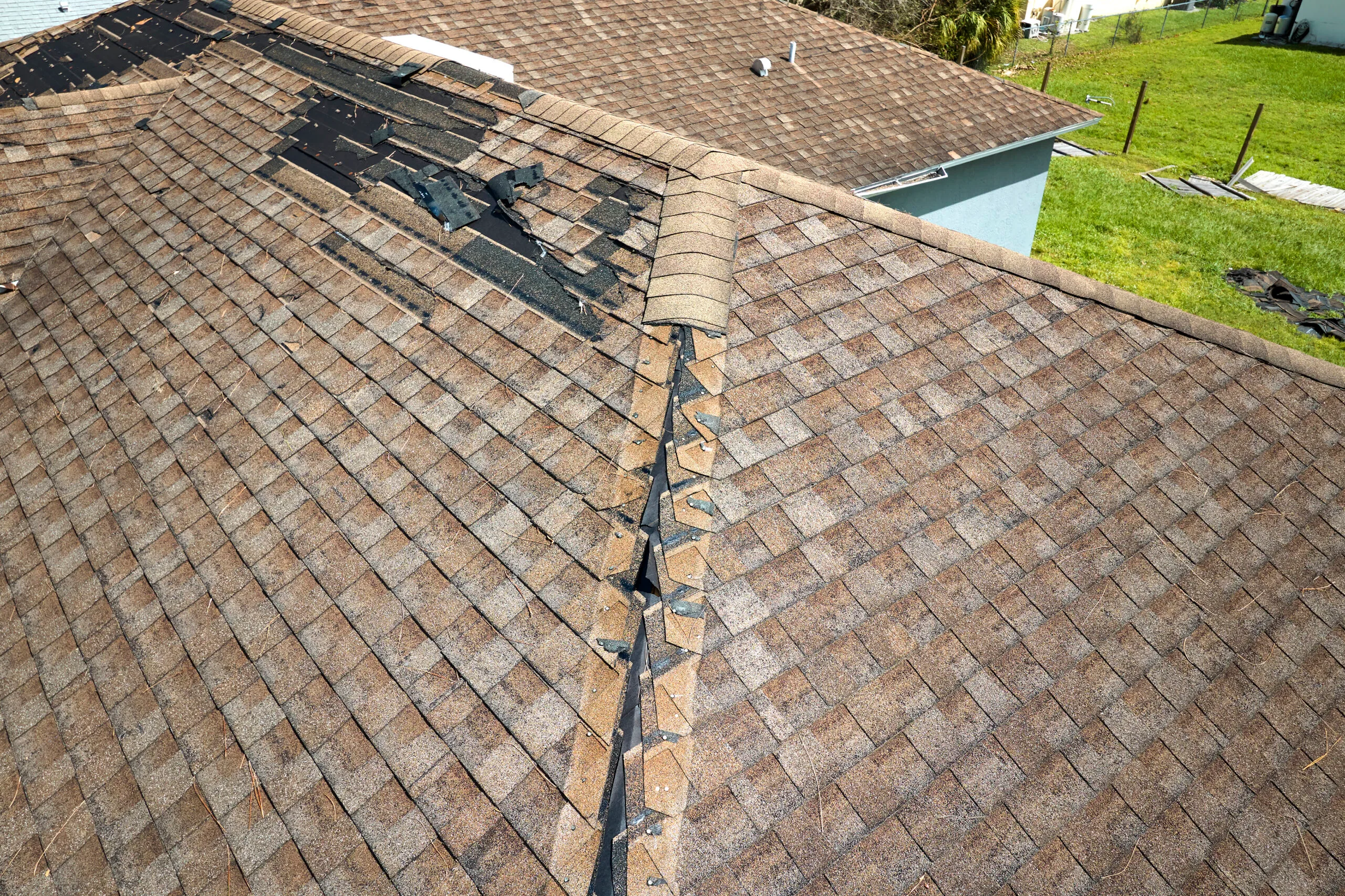
Asphalt shingle roofs in Georgia typically last about 15–20 years for 3-tab shingles and about 25–30 years for architectural (dimensional) shingles. Georgia’s heat, humidity, algae, strong summer storms and attic heat can shorten that. Good ventilation, quality installation and yearly inspections can help a roof reach the top of its range.
If you own a home in North Georgia, Cleveland or Chattanooga, TN, the number on the shingle bundle is not the number your roof will see. Warranty ratings are a best-case estimate. This guide explains what to realistically expect, what shortens the life of a roof in our climate, how to spot the warning signs, and how to decide between repairing and replacing.
Shingle Lifespan in Georgia by Type
Shingle Type | Typical Lifespan | Notes for Georgia |
3-tab asphalt | About 15–20 years | Lightweight, lower wind resistance. Often at the short end in hot, stormy climates. |
Architectural (dimensional) asphalt | About 25–30 years | Thicker and heavier, better wind and heat performance. Most common choice for homes. |
Premium / designer asphalt | About 30–40+ years in ideal conditions | Highest cost. Longest lifespan, but still depends on installation and ventilation. |
Impact-resistant asphalt | Similar to architectural, with better hail resistance | May qualify for insurance discounts. Ask your insurer. |
How Long Do 3-Tab Shingles Last in Georgia?
3-tab shingles generally last about 15–20 years. They are a single flat layer, which makes them affordable but thinner and lighter than architectural shingles. In Georgia, summer heat and storm winds can wear them out faster, particularly on south- and west-facing slopes that bake in the sun.
[Doug: add 1–2 sentences from field experience, e.g., how many years you typically see 3-tab roofs last in Whitfield, Murray or Bradley County before you are asked to replace them.]
How Long Do Architectural Shingles Last in Georgia?
Architectural shingles typically last about 25–30 years. They are thicker, multi-layered and heavier, which helps with wind resistance and with the heat expansion and contraction Georgia roofs go through every day. Most manufacturers offer a 30-year limited warranty or longer, but a warranty is not a guarantee that the roof will last that long.
For most homeowners in our area, architectural shingles are the best balance of cost and lifespan. They cost more upfront than 3-tab, but the longer service life often makes them better value.
Get Your Commercial Roof Leak Fixed
Why Do Shingles Wear Out Faster in Georgia?
Georgia is hard on roofs. These are the main factors:
- Heat and UV exposure. Summer sun bakes shingle surfaces, drying out the asphalt and loosening the protective granules over time. Dark shingles on sun-facing slopes tend to age fastest.
- Attic heat and poor ventilation. A poorly ventilated attic can run far hotter than outside air, cooking shingles from underneath. Inadequate soffit, ridge or gable ventilation is one of the most common hidden causes of early shingle failure.
- Humidity and algae. Georgia’s humid climate encourages algae growth, which shows up as black or dark streaks. Algae is mostly cosmetic at first but can hold moisture against the roof and contribute to wear. Algae-resistant shingles (often using copper-containing granules) are an option on new roofs.
- Severe thunderstorms and wind. Strong storms, straight-line winds and remnants of tropical systems can lift, crease or tear shingles. 3-tab shingles are generally more vulnerable than architectural shingles.
- Hail. Hail can bruise shingles and knock granules loose, shortening life even when there is no visible hole.
- Heavy rain, falling debris and tree cover. Overhanging limbs scrape shingles, drop debris into valleys and keep roofs damp and shaded, which encourages moss and algae.
- Installation quality. Poor nailing, improper flashing and skipped underlayment details cause failures that have nothing to do with the shingles themselves.
- Maintenance. Clogged gutters, ignored small leaks and unrepaired flashing shorten the life of the whole roof system.
What Is the Real Lifespan vs. the Warranty Number?
Most shingle warranties list “30-year,” “lifetime” or similar claims. Warranties cover manufacturing defects, often with prorated coverage, and they usually have conditions and exclusions. They do not predict how long your roof will last in Georgia.
A useful rule: treat the warranty as the best case and plan for the shorter end of the range. Read the warranty paperwork for what is covered, what voids it (such as poor ventilation or unapproved repairs), and who must perform the work.
What Are the Signs Your Shingles Are Near the End of Life?
Check for these warning signs from the ground, and have a professional inspect the roof if you see more than one:
- Curling or cupping edges. Shingle corners lift or turn upward or downward.
- Missing, cracked or broken shingles. Especially after storms.
- Granule loss. Bare patches, or lots of dark granules collecting in gutters or at downspouts.
- Bald spots or exposed mat. The asphalt layer is visible.
- Dark streaks or heavy moss. Check whether it is surface staining or whether it is holding moisture.
- Sagging areas. This can mean deck damage or moisture problems and needs prompt attention.
- Leaks, stains or daylight in the attic. Water stains on ceilings or visible light through the roof boards.
- Roof age. If your roof is approaching the upper end of its expected range, schedule an inspection even if it looks fine.
Repair or Replace? How to Decide
Situation | Usually Best Option |
Roof under about 10–12 years old, damage limited to a few shingles or flashing | Repair |
Isolated storm damage, roof otherwise in good condition | Repair (and consider an insurance claim) |
Roof at or near expected lifespan with widespread curling, granule loss or brittleness | Replace |
Repeated leaks in different areas | Replace or get a full evaluation |
Sagging deck or widespread wet decking | Replace after deck repair |
Roof already has two layers | Replacement (full tear-off) is typically recommended |
An honest note: Not every older roof needs to be replaced right now. A roof that is aging but not leaking can sometimes be maintained for a few more years. We will tell you plainly if repair is the smarter choice.
Does Insurance Cover Roof Replacement in Georgia?
It depends on your policy and the cause. Sudden storm damage from wind or hail is often covered, while wear and age typically are not. Some insurers apply roof-age schedules or pay depreciated value on older roofs. Review your policy and talk to your agent. Dated photos and a written inspection report from a licensed roofer help support a claim.
Shingle Roofing in North Georgia, Cleveland & Chattanooga
Doug Patterson Builders LLC is a family-owned, second-generation contractor based in Chatsworth, GA. We install and repair shingle roofs across North Georgia, Cleveland and Chattanooga, TN, and we do not guess at the answer: we inspect the roof, take photos, and show you what we find.
Our process:
- Free roof inspection. We check shingles, flashing, ventilation and decking where visible.
- Clear written findings. We show you photos and explain whether you need repairs, maintenance or replacement.
- Honest options. We lay out repair and replacement choices and what each costs.
- Quality installation. Proper nailing, flashing, underlayment and ventilation, backed by [warranty details].
Call Doug at (706) 537-0328 or request a free roof inspection.
See our shingle roofing services or read our guide on architectural vs. 3-tab shingles for North Georgia homes.